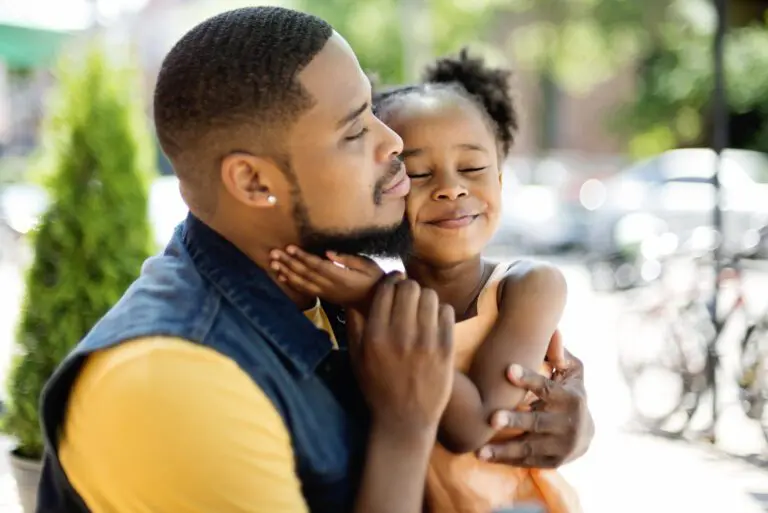
All Pro Dad Chapters is a monthly gathering at school where dads and kids engage in meaningful conversations and activities that strengthens their relationship.
You’ve probably heard of the American Red Cross. The humanitarian organization has provided life-saving services like blood collection, disaster relief, and health training for over 140 years. Millions of people benefit from the Red Cross, and it all started with one woman. Clara Barton was a civilian who took it … READ MORE
As a coach, I always drove home the point that if we communicated well as a team, we’d put ourselves in the best position to win. I could walk into any meeting room and strike up a purposeful conversation with the quarterbacks. I could easily